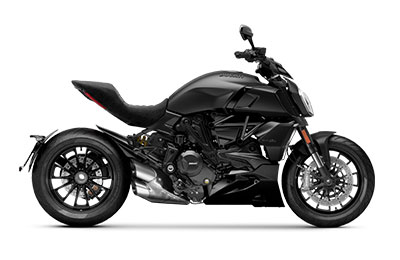
Keeping your dirt bike tuned and inspected is the best way to stay safe and enjoy more ride time. Whether you’re logging trails every week or just getting started, regular maintenance prevents breakdowns and costly repairs. This guide lays out the pros and cons of professional motorcycle service vs. DIY, explains what expert shops offer, gives practical home-maintenance tips, and tells you when to bring your bike to a qualified technician so it stays reliable on and off the track.
You can rely on a professional motorcycle service shop or roll up your sleeves and do the work yourself. Pros bring diagnostic gear, specific tools and warranties; DIY gives you control, saves on labor, and builds your skills. Both approaches have trade-offs in cost, convenience and risk—choose the path that matches your time, skills and how you use the bike.
Shops perform full inspections, repair work and tune-ups with the right tools and replacement parts—and many back their work with service warranties. Trained technicians can quickly diagnose issues, source compatible parts, and recommend long-term fixes. For local motorcycle service options and details, search for a motorcycle mechanic near me or visit crosscountrycycle.net to find experienced shops in New Jersey.
DIY is a good fit if you enjoy working on bikes and want to save on labor. Routine jobs—oil changes, brake adjustments and tire swaps—are straightforward with basic tools and a service manual. Be honest about your limits: skip tasks that need specialized tools, advanced diagnostics or training, and call a shop for motorcycle repair near me when things get complex.
Repairing your own gear can also be rewarding: it extends the life of your machine and encourages responsible use of resources.
Riders in New Jersey face unique conditions that influence dirt bike upkeep. Understanding these local factors helps in maintaining your bike effectively and safely.
NJ Climate & Seasonal Storage
New Jersey’s humid summers can accelerate corrosion, particularly in exposed metal parts, while freezing winters pose risks such as fluid thickening and battery drain. Transporting your bike on trailers along salted winter roads can expose it to corrosive salt, which demands thorough cleaning afterwards. To protect your dirt bike during the off-season months (December–March), winterizing practices like draining fuel, lubricating moving parts, and storing in a dry, sheltered area are essential to prevent damage and ensure readiness for spring.
Local Terrain & Wear Patterns
New Jersey offers diverse riding environments that differently impact your bike’s wear patterns. Sandy soils in the Pine Barrens cause accelerated clogging and wear of air filters, requiring more frequent replacements. Northwest NJ’s mountain trails have rocky terrain that stresses suspension components and rims, necessitating regular inspection and maintenance. Additionally, mud-prone areas—especially after rainfall—demand immediate cleaning to prevent bearing corrosion and preserve drivetrain performance.
NJ Registration & Legal Compliance
In New Jersey, dirt bikes must be registered if ridden on public lands or state trails. Professional shops can assist riders by providing thorough safety inspections and compliance checks, often identifying issues that DIYers might overlook. This not only ensures legal riding but enhances overall safety and reliability.
Local Resources
New Jersey-based motorcycle shops are valuable resources for parts availability and specialized advice. For riders in remote areas such as Sussex or Warren counties, where access to shops may be limited, DIY maintenance might be necessary to keep riding without delay. Shops familiar with NJ’s riding conditions can offer tailored maintenance tips and recommend parts best suited for local terrains and climate, supporting long-term bike health. If searching for a motorcycle mechanic near me, consider these local experts for prompt and reliable service.
Whether you use a shop or work at home, follow these core maintenance steps:
Professional motorcycle service delivers dependable workmanship, expert diagnostics and access to quality parts—advantages that boost safety and help preserve your bike’s value over time.
Regular professional inspections keep critical systems—brakes, tires and suspension—in peak condition and reduce the chance of mechanical failures. Technicians can also tune engine and chassis settings to improve power delivery, handling and overall rideability.
Use the proper safety gear, the right tools and the manufacturer’s service manual. Learning and using basic techniques prevents common mistakes and keeps maintenance effective and safe.
Structured training resources cover the essentials for entry-level motorcycle mechanics, including safety, tools, engines and chassis work—use these as reference when you’re learning.
Keep a small stock of commonly replaced items so routine jobs don’t delay your rides:
If you encounter maintenance or repair needs that exceed your skill or tool set, it’s important to seek professional help promptly. Check for shops with positive reviews, verified certifications, and expertise in dirt bike servicing. You can schedule a service with Cross Country Cycle to make sure your motorcycle in good running condition.
Visiting or calling prospective service centers lets you assess their communication quality and availability. Choosing a qualified mechanic ensures your bike receives proper care, enhancing safety and extending its lifespan.
DIY can reduce immediate out-of-pocket costs but risks mistakes that lead to bigger bills. Professional motorcycle service costs more up front but often delivers better long-term value through correct repairs, quality parts and documented service history.
Training in motorcycle maintenance can also bring economic benefits—lower personal repair costs, potential income from repair work, and stronger local businesses.
Booking professional motorcycle service is straightforward. To find a reputable shop like Cross Country Cycle and view available service options, search for motorcycle mechanic near me online or visit crosscountrycycle.net.
Contact us through the details on our site or by phone. Our service team will recommend the right inspections, routine service or repairs based on your bike and riding habits.
After service, shops typically review the work performed, show any replaced parts if requested, and give clear follow-up recommendations so you know when to return or what to monitor between rides.
1. What tools are necessary for effective DIY dirt bike maintenance?
Start with a good wrench set, torque wrench, screwdrivers, tire levers and pliers. A model-specific service manual is invaluable for specs and procedures.
2. Can regular DIY maintenance extend the lifespan of my dirt bike?
Yes. Regular oil changes, air filter cleaning and brake inspections reduce wear and help catch issues before they become serious.
3. What should I do if I encounter problem I can’t fix?
Stop and seek professional help. Record the symptoms and what you’ve already tried—that information speeds up diagnosis and repair.
4. How often should I perform regular maintenance on my dirt bike?
Follow the owner’s manual. As a rule of thumb, many riders change oil every 10–20 hours of riding and inspect brakes, tires and air filters after several outings.
5. Are there any common mistakes to avoid when DIY servicing a dirt bike?
Don’t skip the service manual, use low-quality parts, or rush reassembly. Those shortcuts lead to errors and premature wear.
6. Is there a difference in warranty coverage for DIY maintenance versus professional servicing?
Some warranties require certified service for certain repairs. Keep detailed records and receipts for any maintenance you do yourself.
7. How can I find reliable dirt bike maintenance services in my area?
Search local shops online, read customer reviews, ask fellow riders for recommendations, and visit service facilities to check their tools and cleanliness before booking. Cross Country Cycles provides motorcycle repairs and services, get in touch with us here.
While great effort is made to ensure the accuracy of the information on this site, errors can occur. Please verify all pricing and installed equipment information with a customer service representative. This is easily done by calling us or visiting us at the dealership.
We improve our products and advertising by using Microsoft Clarity to see how you use our website. By using our site, you agree that we and Microsoft can collect and use this data. Our privacy statement has more details.
Save your favorite vehicles for later viewing on your desktop or mobile devices.
Keep track of all the vehicles you've viewed for a better car shopping experience.
Narrow your search by comparing your favorite vehicles.